Meaningless Words: Solidarity
It's a performative need to present oneself as politically engaged, someone who cares about the plea of others, even if expressed through ignorant generalities that disservice the cause.

I. Problems with Advocacy Language
In the past few weeks, you’ve likely encountered incessant posts on social media about the Israeli-Palestinian conflict and unrest in Colombia and India. You’ve probably seen memes about it. Perhaps simple images with talking points or lengthy posts detailing how someone feels about the issue.
There’s always something.
There is never a lack of slogans, catchphrases, and chants to declare allyship to one cause or another. We never lack images or videos chewing each political problem to make it digestible, garnished with bias and ignorance.
And there are always people wishing to be heard, to fight for something bigger than themselves, blindly sharing it all.
After all, on social media, everyone gets a say on whatever the issue of the day is, and everyone yearns to be heard. Everyone thinks they have something important to say about important things, and there's a well-oiled machine of online activism ready to provide the aesthetic and performative tools to, as they say, speak truth to power.
They are advocates as much as they are consumers of activism.
What I've noticed is that under each of those mass-produced posts and tweets, you always see the word: solidarity. Other words are trotted out, but this one, in particular, irks me.
Everyone wildly expresses it as a sign of empathy, care, and understanding. It's on every post, in every activist's mouth, and on hashtags and advertisements, sort of like a sticker more than a symbol.
It means “unity (as of a group or class) that produces or is based on a community of interests, objectives, and standards.” Synonyms for it include “cohesion,” “consensus,” “harmony,” and “cooperation.”
It's a call on people to come together in positive affirmation behind a cause, an idea, or people to produce social change.
It's a concept borne from empathy, another synonym, which is defined as,
“the action of understanding, being aware of, being sensitive to, and vicariously experiencing the feelings, thoughts, and experience of another…”
It's distilled into the adage of “putting oneself in another's shoes.” In a way, one precedes the other; solidarity is the call to action based on an understanding and feeling of empathy.
These ideas are presupposed traits in social movements and are the expected attitude of activists. Activists inform the public by inspiring empathy, helping them understand political and social problems, and organizing and cooperating toward a mutual goal.
They are fundamental, for without them, how would people call upon each other when in need? How would past movements have gathered and succeeded? How would change be achieved?
That's not what I wish to address. I'm not concerned with solidarity or empathy themselves. I view their importance the same way, and I think society's move towards furthering these values is progress of a kind.
I'm more concerned about the obscene abundance of it, devaluing its meaning. I'm concerned that people are willingly selective in their solidarity, basing it on ideas of power and oppression and thinking its expression is inherently meaningful. I'm concerned that empathy is woefully absent, not because people aren’t expressing it, but because they don’t even know what it means.
I see so much solidarity that I question the sincerity with which it’s expressed. I question whether or not those speaking for the suffering are informed, biased, self-interested, or plain ignorant. I wonder if their solidarity is merely a placard to hold when they wish to present themselves as morally righteous.
It all appears as an ocean of empathy filled with trouts with trite platitudes far removed from chaos. From the luxury of their screens, they spout righteous proclamations in the name of the wartorn, the hungry, and the poor.
They take up the voice of the voiceless and aspire for a better society.
It's the clichéd complex of wanting to save the world - the Messiah complex. Although I can extend a branch and presume good intentions, we know what Hell is paved in.
Moreover, I have to ask, what does it do to post a simplified infographic about a geopolitical issue of more than 50 years on Instagram?
What does it do to attempt to explain legislation and policy in bullet points on Facebook? What does it do to advocate for something on Twitter and then pile on someone who disagrees?
Is any of this affecting change? Is it informing people, inspiring curiosity, and advancing conversations? Are you expanding knowledge and inspiring growth when you read and share a post written by an undergraduate advocating for radical change and revolution?
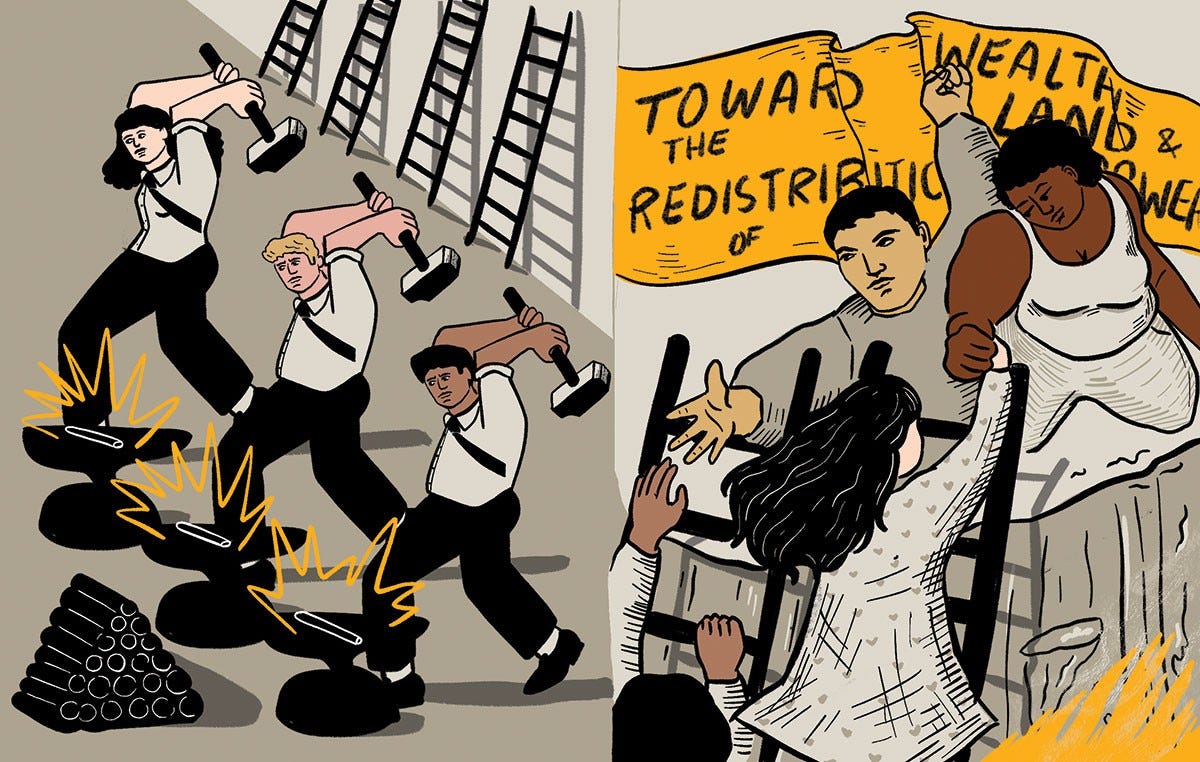
When I share these contentions, the response I often get goes along the lines of “a commitment to the fight for social justice” at home and abroad. This is solidarity for its own sake - because “it's what's right”.
It's an attitude that presumes virtue in one's convictions while perceiving malice in the convictions of the opposition — a black-and-white thought pattern.
There's also the implication that all activism is inherently virtuous because it’s a challenge to power. However, we know that people don't view an opposition’s activism as virtuous, nor does a person with those ideas consider the possibility of being mistaken. The thought goes further when it suggests that those with power cannot be oppressed, and those who are oppressed do not hold power.
This translates into, for example, people finding virtue in Black Lives Matter and malice in the National Rifle Association. It translates into inherent suspicion of corporations and unequivocal trust in unions. It translates into an abundance of empathy for female victims of sexual violence and a lack of it for male victims.
This is selective empathy, which actively avoids understanding, being aware of, or being sensitive to anything contrary to preconceived notions. As such, there are good and bad movements; it all depends on your convictions and values and, therefore, what teams you've selected based on them.
There are always good guys and bad guys. Activists will not hesitate to let you know which is which, and regardless of ideology, they'll all speak and behave just the same, trying to convince you.
That they all behave similarly raises my suspicions. People who don’t, refuse to, and reject understanding an opposite conviction should not be seen as virtuous, much less informed. As J.S. Mill says, “He who knows only his own side of the case knows little of that.”
If you don't have an understanding because you've selected for whose shoes you're willing to put yourself in, how can you possibly express solidarity beyond the aesthetic?
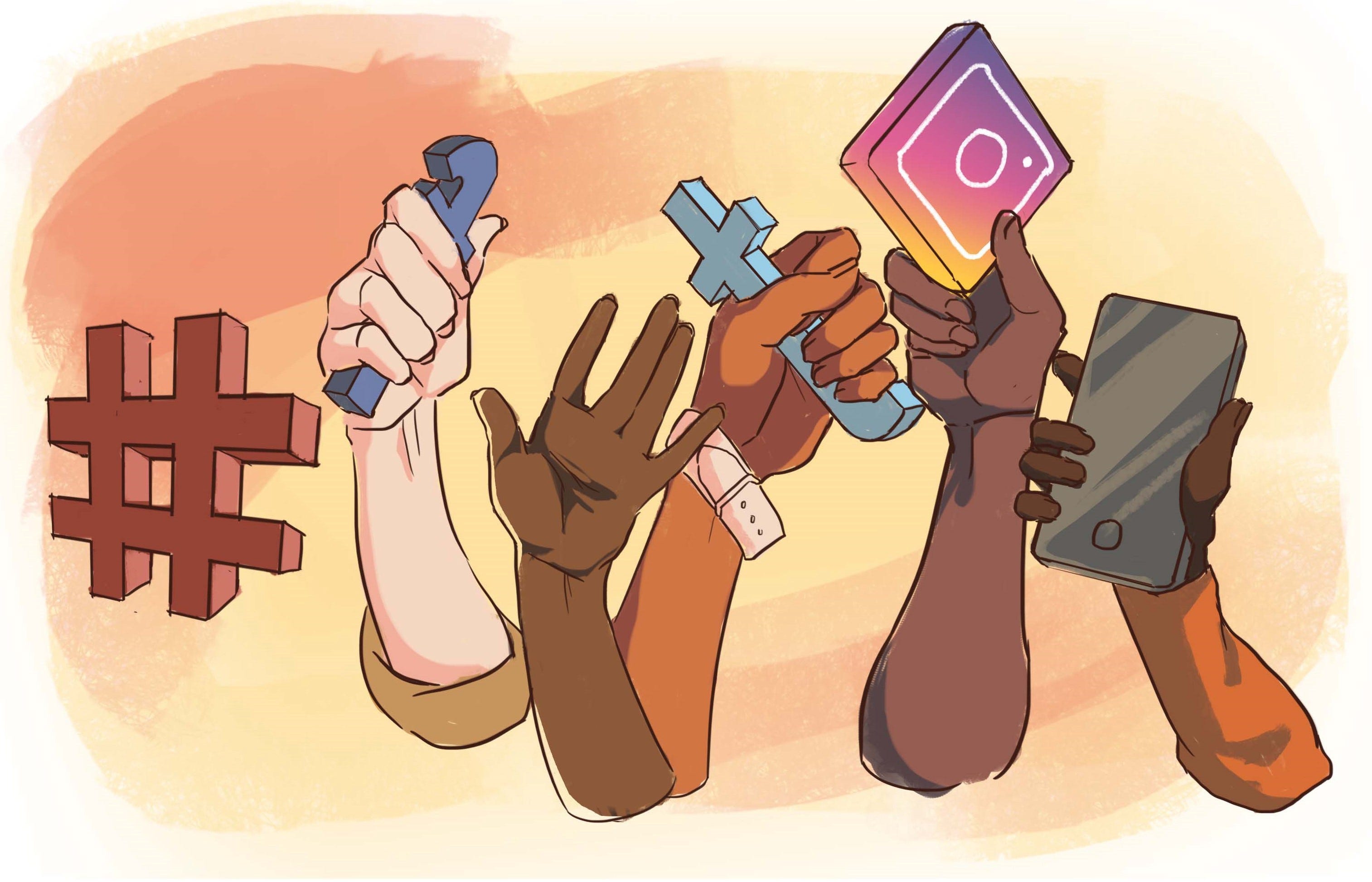
If anything, it feels like everyone is trying to sell me an idea or cause. They want me to believe in what they believe. They even have the branding and merchandising to back up their righteous campaign.
II. Commodifying Solidarity
Considering all of this, I contend that activism has been commodified. It's an industry that sells social justice (mostly, but not exclusively) and moral virtue through mass communications. In a way, it's the mass production, distribution, and sale of ideas and information to produce social change.
Sellers of activism, whether social justice organizations, conservative think tanks, or corporations, will pump out bad quality information so consumers share it with ease, getting them, for example, ad revenue.
Meanwhile, consumers of activism share brands and buy merchandise with slogans for their causes, entrenching themselves further in their convictions and then consuming more of the same information for reaffirmation.
Since people get to pick and choose what they consume, their values and biases will select for whom and what they'll express empathy and solidarity. The sellers of activism push propaganda through branding and products that help people express it, both as a signal to cohorts (the good movement) and detractors (the bad movement).
This is where you get your Breitbart and Fox News for conservatives and your Vox and Vice for progressives. You get your Reason Magazine for libertarians, your Jacobin for socialists, and your Jezebel for feminists.
It's not just through news outlets but organizations like Democracy Now, Turning Point USA, It's Going Down, and InfoWars.
There's an outlet of information for pretty much any and every idea or cause as mainstream as Black Lives Matter, as fringe as Antifa, and as obscure as Aliens and UFOs.
Once you get that choice, you'll select what you trust, most likely what reaffirms your side while repudiating the other.
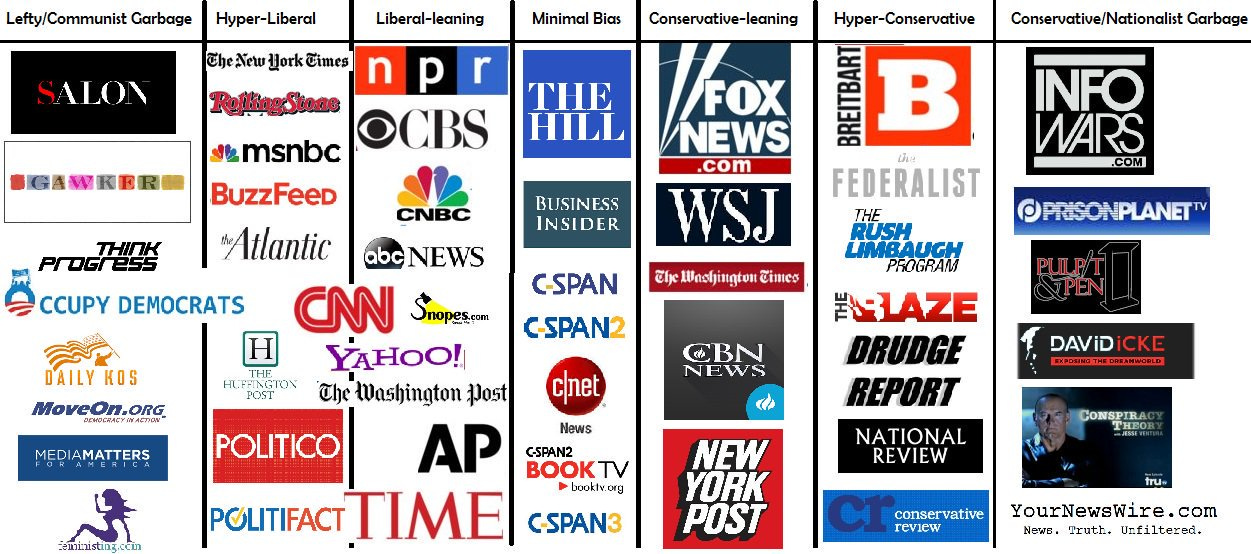
Because of this selection and the industry behind it, I contend that people are getting diluted stories and information about social and political problems. People base their ideas on diluted details and select what information to consume and accept.
This makes their empathy and solidarity ill-conceived and ignorant.
The information is distributed and consumed by hopelessly well-educated, impressionable young adults with an intense online presence. People who live in the luxury of modernity, who self-flagellate for their privilege or self-immolate for their suffering, seek meaning through advocacy.
A desperate need to be part of something bigger than themselves.
These consumers of activism will appear more self-indulgent than informed or righteous with their excess sharing. You can tell by how they speak about issues, passionately asserting their generalized, mass-produced convictions, that they know little of what they advocate. They know only what they've consumed.
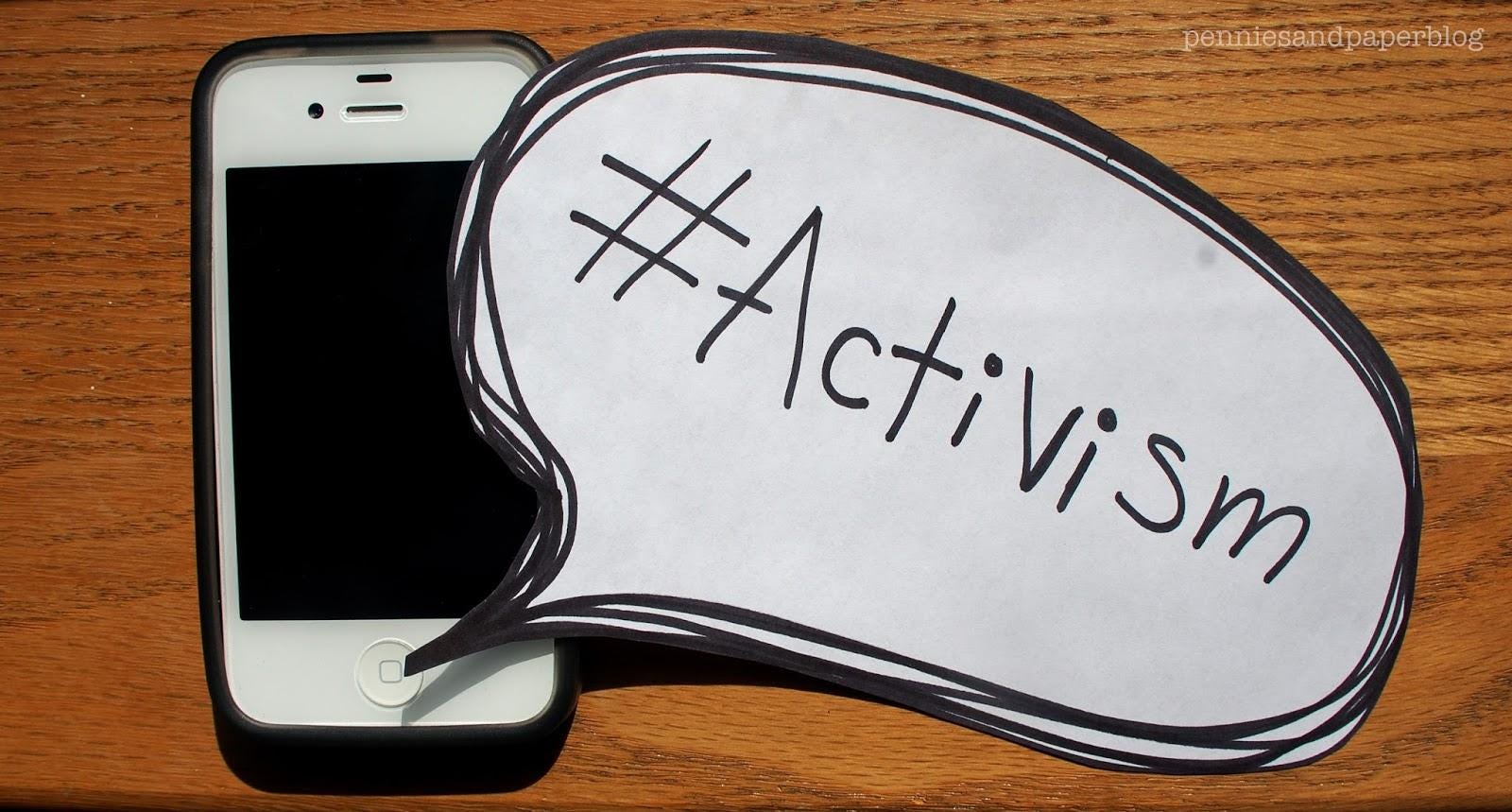
This lazy, sycophantic advocacy has been called slacktivism, “an activity that uses the internet to support political or social causes in a way that does not need much effort.” It is the result of the commodification and mass production of activism.
Consumers will embellish their branding and demonize others, so you can also tell where their biases lie. A person with a bias will only consume and share reaffirming information to get as many people on their side as possible.
They are not trying to inform but instead to have you join by appealing to your better nature, sense of community, and justice.
There may be value in the fact that people are engaged, as it keeps them aware of their institutions and those in power. However, the superficiality with which these problems are addressed is not conducive to their understanding and resolution, much less so when certain information is neglected, dismissed, or silenced.
You may have an idea of the problem, and that idea might be correct, but how do you know? How do you know you're right if you don't understand what the other thinks and don't know why they're wrong?
Come to think of it, how do you know that what you know is true? How sure are you of your own views?
What meaning is there to solidarity if it has been commodified? What does it mean if it’s another product packaged and sold through heartwarming imagery and positive language?

III. Authentic Solidarity
Finally, I contend that people express solidarity as a matter of course rather than a matter of reason.
People select what causes and people to understand, rejecting contrary understandings based on personal and group convictions. This makes their solidarity uninformed and biased, devoid of meaning beyond the aesthetic.
Some do it because of an imbalance in power between those perceived to be widely represented and those who are not. The powerless deserve solidarity, and the powerful deserve contempt. Ultimately, it's another tale of good versus evil, where both concepts have been commodified with everything else in a tug-of-war for social change.
There isn't cooperation, harmony, or consensus in tales like these. When people choose teams based on misinformation and bias, they divide each other and accentuate those divisions. As a result, people become antipathetic to others, and you get conflict, disorder, and discord.
There is no progress when people choose what to understand and what to dismiss while actively advocating for their biases. There is no solidarity when empathy is another slogan while antipathy toward the opposition is behind every share.
If you're not seeking to understand the whole scope of a problem, your solidarity, less than meaningless, is insulting.
It's not necessarily that I don't support their causes, but advocacy has reached a breaking point. There are ads everywhere for every cause and group. It feels like walking through a mall filled with customer service representatives harassing me about a new product they want me to buy.
Click the link, sign up, subscribe, donate, and buy. Support the cause; show the world you care! It reeks of corporate public relations, which expunges the meaning of activism.
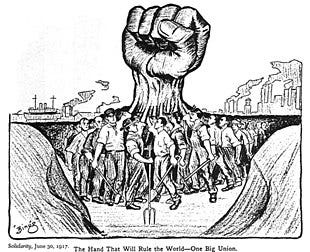
Long gone are the days of masses, united under one identity, advocating for mutual benefit. Here come the days of groups united under their select identities, advocating for their own benefit.
This is not progress.
I don't trust activists anymore. I don't trust that their intentions are informed, and I find their proclamations of solidarity to be meaningless, irresponsible, and ignorant. I also don't trust the way they speak.
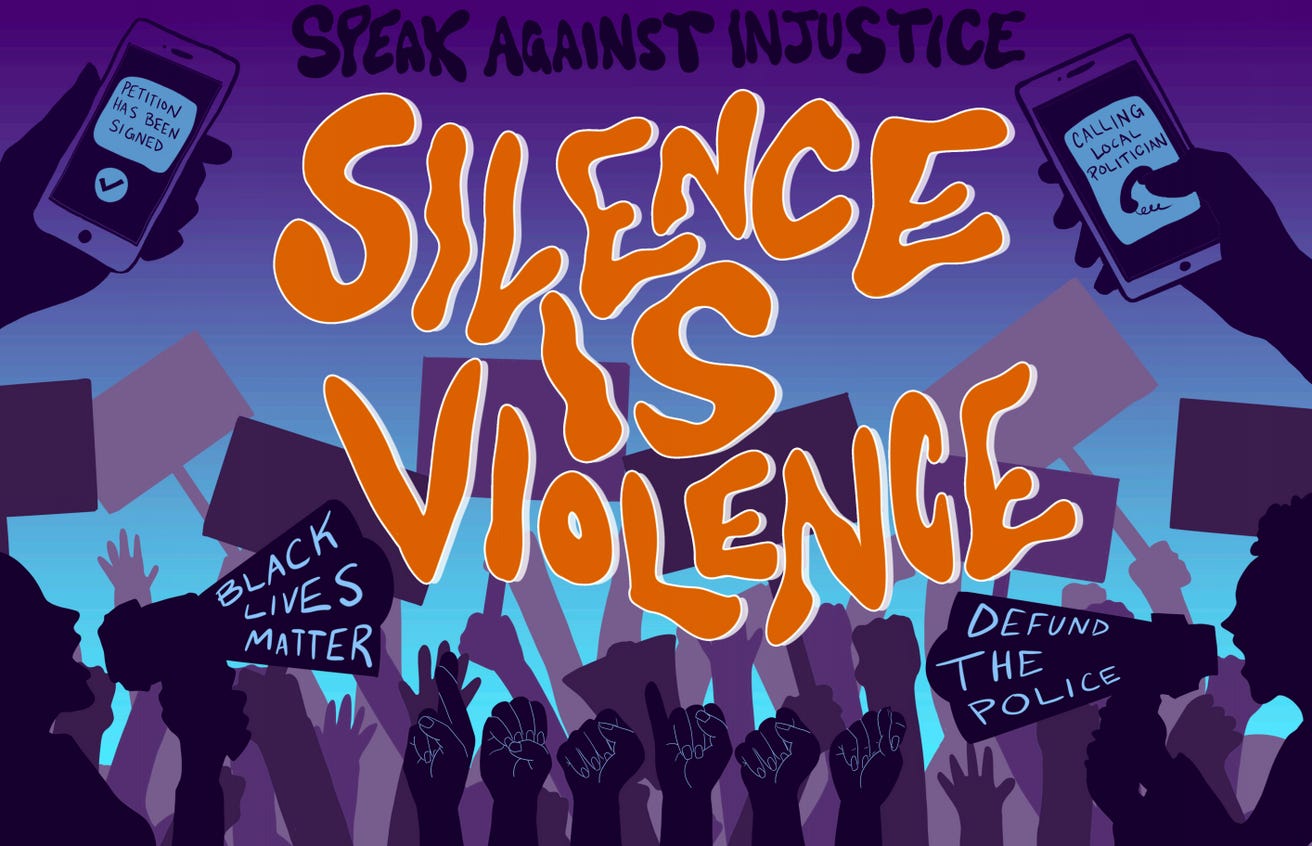
Words come easy. Slogans like ‘silence is violence’ and ‘right side of history’ serve only to simplify and divide the uninformed further. People feel they must express false virtues and ignorance while problems remain unsolved. And as we flaunt how good we are, others reap profit.
Solidarity is another cudgel in the advocacy language, diluted by its prostitution on social media and finally butchered by corporate sponsorship.
It’s an all-around absurd spectacle by and for all to consume.
Rest assured that there may be good intentions; however, taking a step back from posturing online is a healthier approach than indecently flashing how much you care about an issue. Sharing one thousand stories from random sources isn't going to do more than stroke your ego.
Taking a step to understand the opposition and working towards mutual benefit has worked well. If solidarity does not include this, it only appeals to us versus them. An egotistic expression by consumers of politics.
Solidarity must recognize our shared humanity; otherwise, it's meaningless.
Note: This was written in June 2021. Edited on December 2023.